When I first walked a casino floor in the late 1990s, a rookie dealer once told me the biggest mistake players made at a baccarat table was chasing a cold streak instead of watching the shoe. Twenty years later, the same discipline applies when you sit down to a multi-table tournament: pace yourself, read the room, and respect the structure. If you are balancing a day shift at a Geelong warehouse with an arvo session online, you need a plan that keeps your bankroll intact and your decisions clear. The right setup gives you the controls to play your own game rather than react to every blind increase.
Choosing a Venue That Respects Your Time and Your Limits

A solid tournament platform shows its credentials before you ever register. You want a licence that is clearly displayed, a privacy policy that explains how your data is handled, and security that keeps your account details locked down. When I trained dealers on compliance, we always checked that the operator could prove its oversight before letting a new game onto the floor. The same scrutiny belongs here: confirm the governing licence, read the terms on bonuses so you know what triggers a release, and check whether the site offers a local currency option so you are not paying hidden conversion costs every time you buy in. A reputable operator with an Australian-facing setup such as https://onlineecopayzcasino.org/en-AU will usually lay out its licensing details, payment currencies, and responsible-play tools in one place, which saves you from hunting through fine print when you are trying to focus on your strategy.
Building a Tournament Routine That Survives the Bubble
Multi-table events reward patience more than they reward flashy bluffs. Start by deciding your max buy-in and your stop-loss before the first hand is dealt, then treat those numbers like a table limit you would never cross on a blackjack shift. I have watched players blow through a session because they kept rebuying after a bad beat instead of stepping back and reassessing. A practical routine looks like this: pick two or three tournaments that fit your schedule, set a time limit for each, and keep your blind structure notes handy so you know when the pressure is about to climb. When the bubble nears, tighten your ranges and let the shorter stacks make the mistakes. If you are playing on mobile, test the app on a quiet evening first so you are not learning the interface while the blinds are already moving.
| Tournament Stage | What to Do | What to Avoid |
|---|---|---|
| Early levels | Play tight, observe opponents, conserve chips | Chasing marginal hands out of position |
| Mid-stages | Adjust to stack sizes, target weaker players | Bluffing into multiple opponents without reads |
| Bubble | Tighten further, let others take risks | Calling wide hoping to sneak in |
| Final table | Use position, manage ICM pressure calmly | Letting emotion override basic strategy |
Using Account Controls and Support Before You Need Them
The best time to set up your limits is before you are tired and the blinds are climbing. Most responsible platforms let you set deposit caps, session timers, and reality checks that remind you how long you have been at the tables. I have seen floor supervisors step in when a player’s rhythm turned erratic, and the same principle applies online: the tools exist to keep your play within a range you can live with. Register with a clear email, verify your identity properly so withdrawals do not stall later, and save the support contact details in case a tournament entry or payout needs a human review. Good support responds in plain language, not boilerplate loops, and it should be easy to find from the account dashboard rather than buried under three menus. When you treat these controls as part of your routine rather than an afterthought, you give yourself a fair go at playing your actual game instead of fighting the interface while your focus slips.
Keeping Your Play Grounded When the Blinds Climb
A tournament is not a sprint, and the players who survive longest are usually the ones who keep their decisions boring and their emotions in check. You do not need a dozen tables open to prove anything; you need a clear read on your own limits and a willingness to fold when the math says so. I have run dealer development sessions where the most consistent performers were the ones who respected the structure of the game rather than trying to outguess every hand. Apply that same mindset here: track your sessions, review the hands that cost you chips, and adjust your entry schedule if a particular time of day leaves you flat out like a lizard drinking and missing obvious folds. If you are playing from home in Geelong or anywhere else on the coast, keep your environment quiet enough that you can actually think, and remember that a paused session is always better than a tilted one.
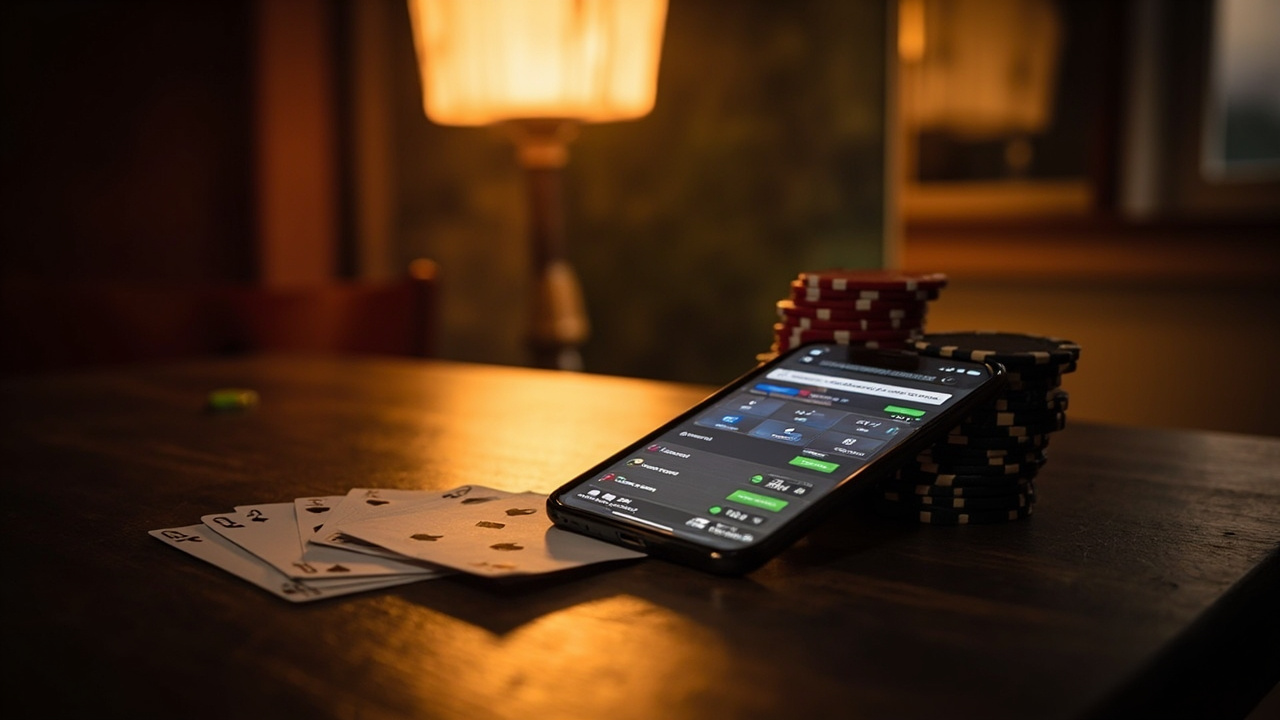
A good tournament result starts with a clear plan, a venue that respects your controls, and the discipline to walk away when the session has run its course. Play within the limits you set, use the support http://vinpearlquanghanh.bdstanlong.vn/cash-out-free-chip-winnings-aud-without-the-bonus-fog/ tools before they become urgent, and treat every buy-in as a measured decision rather than a roll of the dice.

Skriv et svar