Keno Number Selection Strategy That Actually Shapes Your Odds
How a disciplined keno number selection strategy changes the feel of the game, not just the ticket.
Most players treat a keno ticket like a lucky-dip raffle, but a solid keno number selection strategy is really about managing expectation, not chasing miracles. As a designer who has built paytables and probability models for skill-influenced draws, I can tell you the house edge stays fixed no matter how you pick your spots. What does change is how the game feels, how often you hit something recognisable, and whether your bankroll survives a long arvo session. That distinction matters more than any myth about hot or cold numbers.
Picking Spots With Purpose
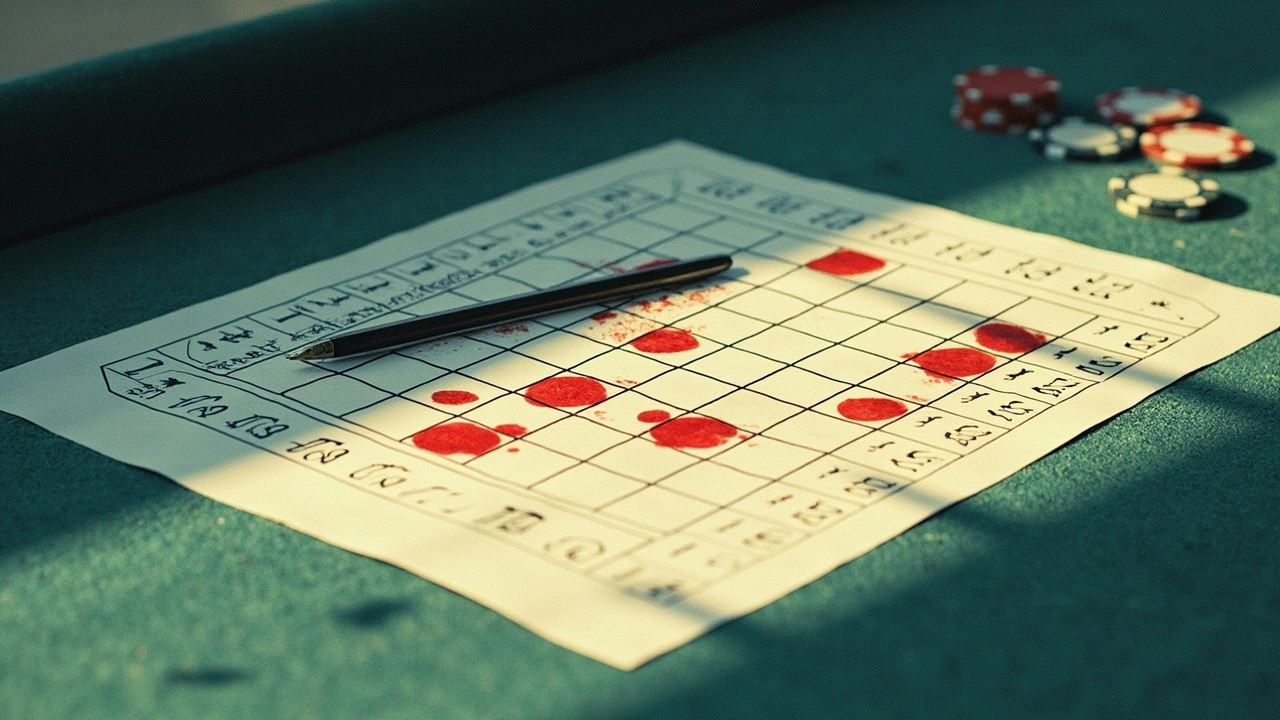
A proper keno number selection strategy starts with accepting that every number carries the same baseline probability on each draw. The machine does not remember your last ticket, and neither should your approach. Where strategy earns its keep is in spread, density, and cost control. Picking too many spots on a single card inflates the ticket price faster than it lifts your chance of a meaningful return, while clustering too tightly around a single decade usually just concentrates variance without improving expected value.
In my own modelling work on bonus-triggered draws, I learned that the most useful lever is not number magic but ticket architecture. A balanced card with a moderate spot count keeps the game readable and the bankroll predictable, which is exactly why I prefer players treat selection as a pacing tool rather than a prediction engine. The Cairns clubs I have observed over the years tend to run the same principle in practice: regulars pick fewer spots, watch the pace, and leave while the fun is still there.
“Players who think a pattern on the board changes the draw are usually just seeing noise,” said William Watson, iGaming Regulatory Consultant, Outback Gaming Research.”The honest approach is to pick a spot count you can afford to repeat, then stick to it.” ezeewallet deposit casino
Reading Tickets Without Chasing Ghosts
What the Numbers Actually Tell You
A keno number selection strategy only becomes useful when you separate visual rhythm from mathematical signal. The board will always show streaks, gaps, and clusters after a draw, because random output naturally arranges itself into shapes our brains want to name. That does not make those shapes predictive. What it does is give you a chance to decide whether your next ticket should be tighter, wider, or simply cheaper.
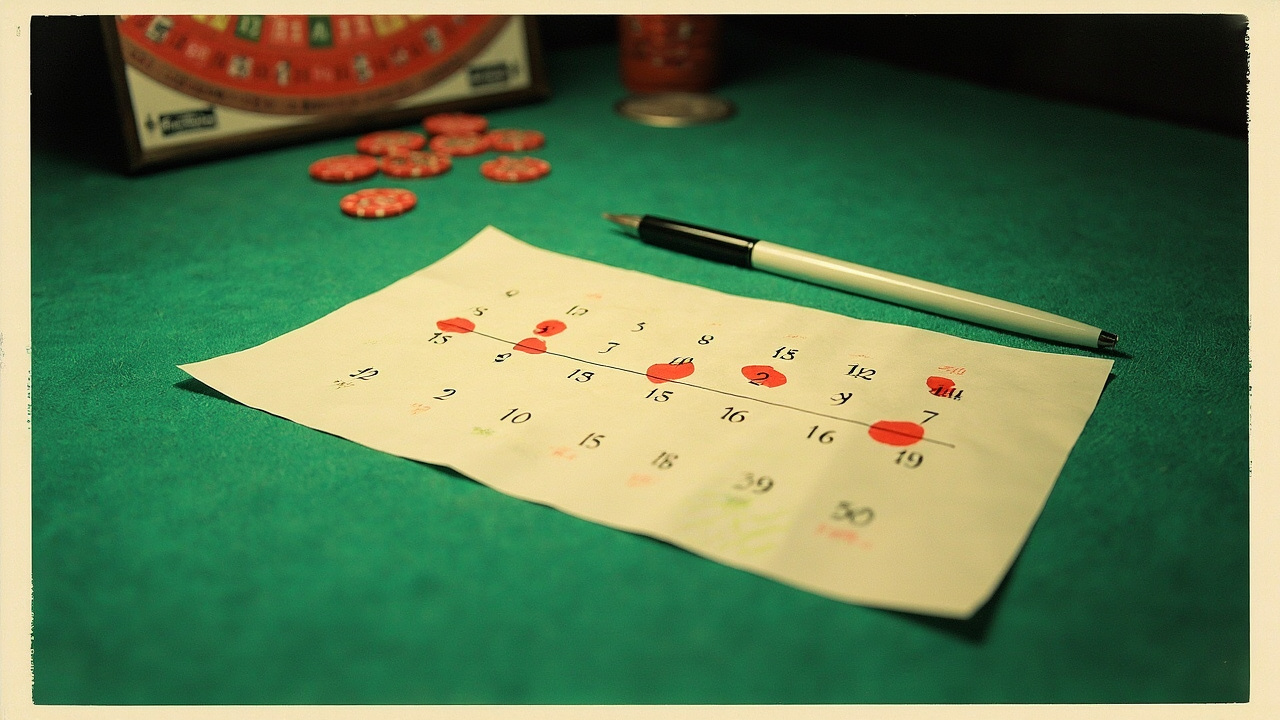
When I design or audit a keno-style flow, I look for the same discipline I use in slot volatility tuning: the player should understand how often small hits arrive and how rare the bigger pays are. If your selection style keeps you engaged through the quiet stretches without blowing the budget, it is doing its job. If it encourages you to chase a phantom trend, it is costing you money and attention both.
How to Build a Repeatable Card Habit
A repeatable habit beats a clever-looking system every time. Here is the sort of process I would walk a player through before they sit down at a terminal:
- Decide your total session limit in advance and convert it into a ticket budget.
- Choose a spot count that matches that budget, not your hope for a big hit.
- Pick your spots using a fixed rule you can repeat, such as a balanced spread across the board.
- Record how many draws you stay in before the budget runs out.
- Review the result later and adjust the spot count, not the belief that a number was due.
That loop is deliberately boring, which is the point. In a product sense, boring is what keeps a player in the game longer without turning a leisure session into a loss spiral. If you are weighing where to play this style, an ezeewallet deposit casino can make the deposit step straightforward, and that matters when you want the numbers on your ticket to be the only thing you are thinking about.
Matching the Strategy to Your Play Style
The right keno number selection strategy depends on what you want from the session. Some players are there for the occasional small thrill and do not mind a higher spot count if the ticket stays affordable. Others want a slower, steadier rhythm that lets them watch the board without feeling rushed. Neither approach is superior in expectation, but each suits a different temperament and a different bankroll.
Callum Anderson, Lead Gaming Analyst, Yarra Gaming Lab, puts it plainly: “The only honest edge a player has is choosing a ticket size and spot count that fit their own limit, because the draw itself does not care how the spots were chosen.” That is the practical core of the whole exercise. If your selection habit lines up with your budget and your patience, the game feels cleaner and the session ends on your terms more often.
Verdict
A disciplined keno number selection strategy will not bend the odds in your favour, but it will bend https://excellone.co.uk/how-to-choose-your-first-casino-game-as-a-beginner-with-confidence/ the experience toward something you can control. Pick a spot count that respects your budget, use a repeatable rule instead of a mood, and treat the board as entertainment rather than a forecast. That is how you keep the game enjoyable long enough to make it worth the ticket. What is your own rule for picking spots, and do you reckon a fixed spread beats chasing patterns on a busy night?
Skriv et svar